For generations, Maison KRUG has stood as a beacon of unparalleled craftsmanship and innovation in the world of champagne. Inspired by the visionary Joseph Krug, Maison KRUG is renowned for crafting unparalleled champagnes, each a unique expression of artistry and dedication.
Today I invite you to explore our exceptional range, where every bottle tells a story of meticulous craftsmanship and unforgettable flavor.
Discover the art of champagne elevated.
KRUG Vintage
The story of a year, captured by KRUG.
At Maison KRUG, every vintage celebrates the distinct character of a particular year – a blend of its most expressive wines, enhanced by a stay of over ten years in the cellars.
Each KRUG Vintage is different: it tells the story of the unique circumstances of the year.
Choose your favorite vintage : 1998, 2000, 2002, 2003, 2004, 2006, 2008, 2011 – I’m proud to give you privileged access to the widest and most exclusive selection available on the market – coming directly from Maison.
KRUG Clos du Mesnil
The purity of a single plot of Chardonnay, from a single year.
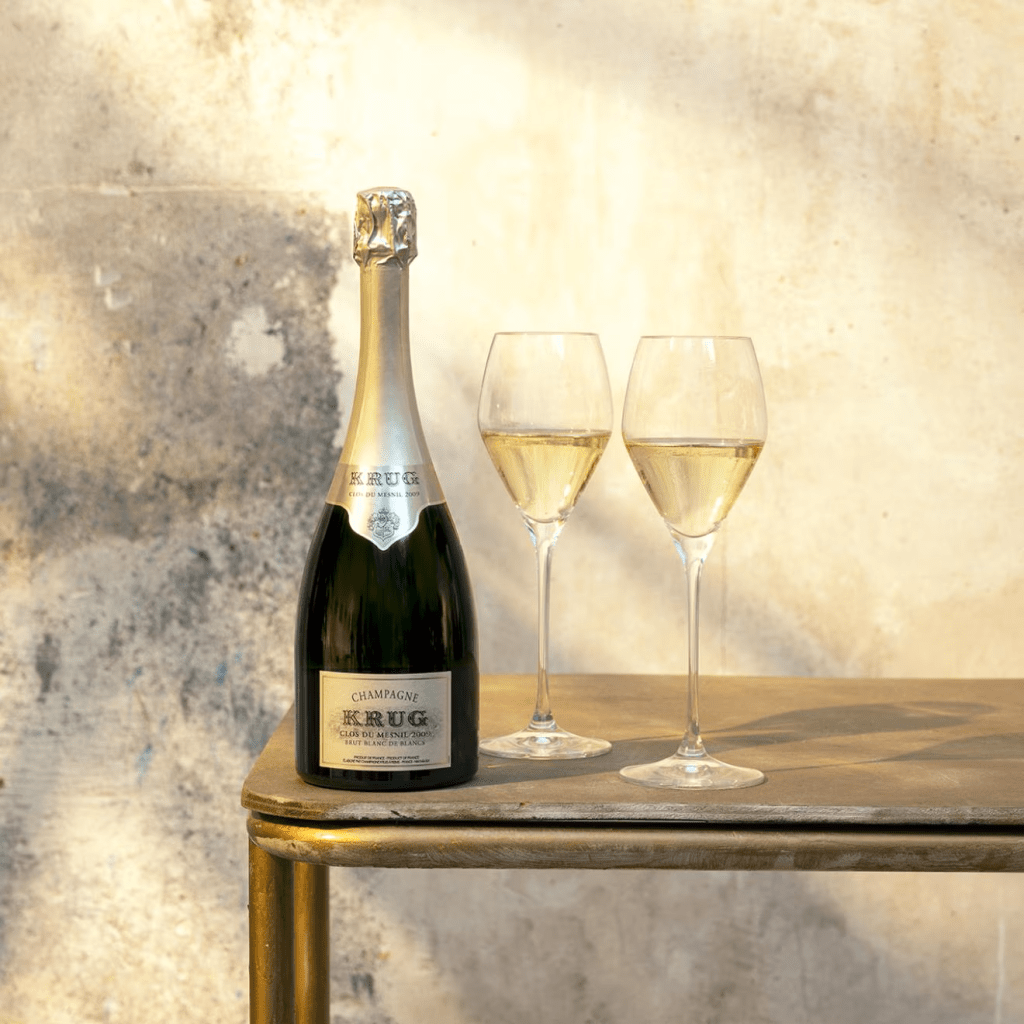
KRUG Clos du Mesnil exalts the extreme purity of one of the finest terroirs in Champagne – a single walled plot of vines, the Clos du Mesnil – and of a single grape variety, Chardonnay – from a single year. A chiselled and elegant expression of its terroir, KRUG Clos du Mesnil 2009 is the 21st champagne from this unique plot, the first was created from the 1979 harvest.
Choose your favorite vintage : 1985, 2006, 2008, 2009 – I am delighted to give you access to the widest selection on the market – coming directly from Maison.
KRUG Clos d’Ambonnay
The intensity of a single plot of Pinot Noir, from a single year.
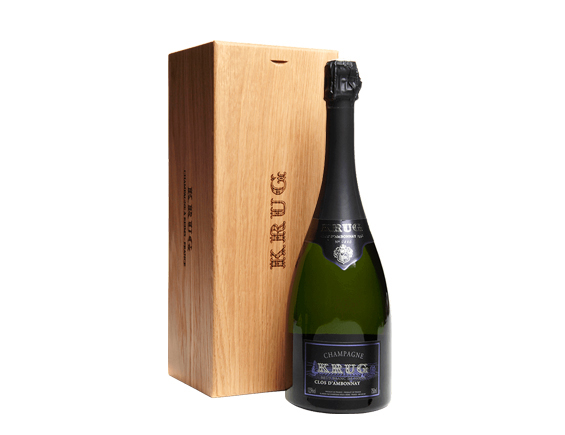
Born from the capricious climate of 2006, KRUG Clos d’Ambonnay 2006 exhibits extraordinary finesse. KRUG Clos d’Ambonnay is a rare gem epitomizing the attention to detail, uncompromising quality and appreciation for unique terroirs inherited from Joseph Krug. It is the sixth champagne from this unique plot of Pinot Noir. The first was created with the harvest of 1995.
Choose between 75cl and Magnum – exclusively for my Private clients.
KRUG Collection
Time’s second revelation of KRUG Vintage.
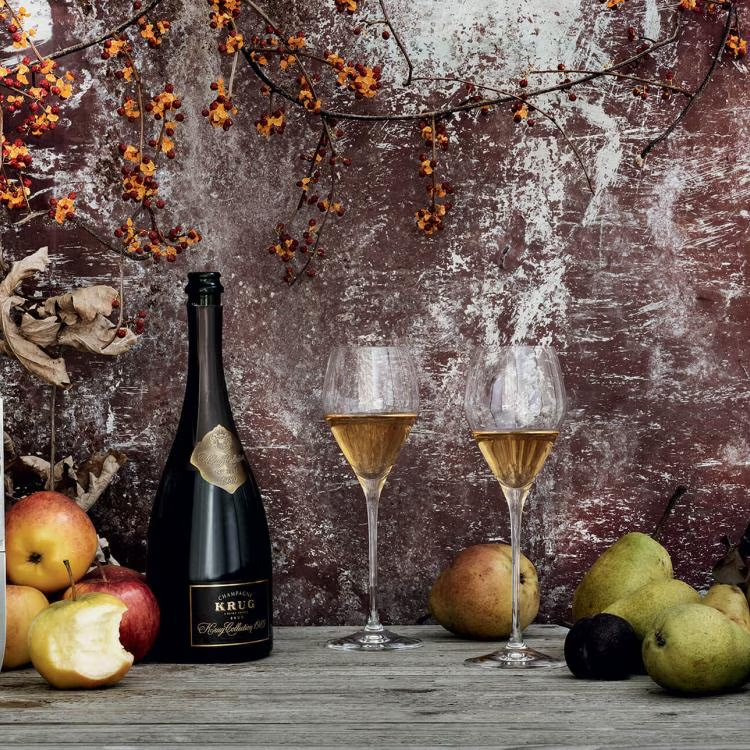
To the delight of KRUG Lovers around the world, a very limited number of bottles of KRUG Vintage are kept in ideal conditions in the House’s cellars. Over time, they continue to develop in maturity, revealing flavours and aromas of astonishing freshness, elegance and finesse.
Choose your favorite Collection : 1985, 1995, 1996 – coming directly from Maison, no intermediaries with unreliable storage conditions.
KRUG Rosé
A singular rosé champagne, an astonishing balancing act between finesse and substance.
The story of Krug Rosé dates back to 1976. With Joseph’s non-conformist spirit at heart, the 5th generation of the Krug family crafted a new composition, an unexpected rosé inspired by the Maison’s reputed art of blending.
Thus, the first Édition of Krug Rosé, a singular champagne achieving an astonishing balancing act between finesse and substance, came to be. Each year, Maison Krug presents a new Édition of Krug Rosé.
A masterful blend of white base wines to bestow elegance, fruit notes and great freshness, completed with traditionally macerated Pinot Noir red wines to add structure and spice.
Composed around the harvest of 2016, Krug Rosé 28ème Édition is a blend of 32 wines from 6 different years, the youngest from 2016, and the oldest from 2010.
KRUG Grande Cuvée
The most generous expression of Champagne.
Krug Grande Cuvée is born from the dream of Joseph Krug to craft the very best champagne he could offer, every year, regardless of annual variations in climate. It is always a blend of over 120 individual wines from more than 10 different years, expressing a fullness of flavours and aromas impossible to achieve with the wines of a single year.
Composed around the harvest of 2016, Krug Grande Cuvée 172ème Édition is a blend of 146 wines from 11 different years. The youngest is from the year 2016 and the oldest dates back to 1998.
Choose your favorite edition : 162ème, 163ème, 170ème , 173ème very soon – I’m delighted to give you access to the widest selection on the market – coming directly from Maison.
Celebrate your special moments with Maison Krug, secure your preferred cuvée directly with me today.
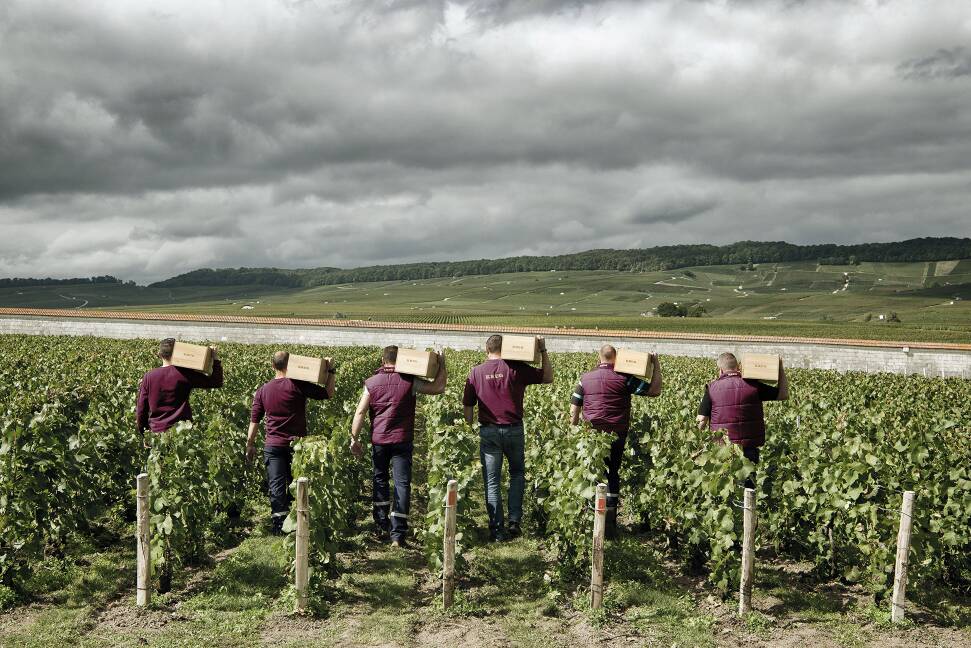
Since 1843, Maison Krug has been guided by the vision of Joseph Krug to craft the very best champagne he could offer, every year, regardless of annual climate variations.
In the early 1970s, brothers Rémi and Henri Krug, fifth generation of the Krug family, seized the opportunity to acquire a walled vineyard in Le Mesnil-sur-Oger, reputed for the exceptional purity of its Chardonnay.
They had the bold idea to create the ultimate tribute to individuality: a champagne from one plot, one grape variety, and a single harvest year. The first Krug Clos du Mesnil was crafted from the harvest of 1979.
KRUG Clos du Mesnil
Maison Krug’s unique craftsmanship has revealed a rare champagne from a remarkable terroir, the Clos du Mesnil.
This 1.84-hectare (4.5-acre) vineyard overlooked by the village church has been protected by walls since 1698. It is located in the heart of Le Mesnil-sur-Oger, one of the most iconic villages for Chardonnay in the Champagne region.
The purity of a single plot of Chardonnay, from a single year.
“Encapsulating joy and the crisp morning spring mist.” Julie Cavil, Krug Cellar Master
Krug Clos du Mesnil perpetuates the nonconformist spirit of Joseph Krug, founder of Maison Krug. It illustrates the Maison’s commitment to crafting champagnes of undisputed quality by respecting the individuality of each plot of vines, transforming its fruit into a unique wine. This art requires careful berry tastings before harvest and meticulous fruit.
Initially intended to ensure a regular supply of Chardonnay wines to enrich the blend of Krug Grande Cuvée, Krug’s Clos du Mesnil plot has consistently and uniquely revealed a beautiful character year after year.
Born at a time when the conventions in Champagne concentrated on blending multiple wines from varied plots, Krug Clos du Mesnil offers a Champagne of exceptional beauty and poise, telling a story of this plot’s grapes, only on very special years.
Wine profile Krug Clos du Mesnil 2009
The 21st champagne from this vineyard. A virtuoso solist.
A harsh winter and mild spring with storms from May to July. Summer was ideal: dry with cool nights upon harvest which took place on 10-11 September. Wines were fruity, delicate and full bodied with a touch of spice.
From a tiny walled plot of 1.84 hectares (4.5 acres), in the heart of Le Mesnil-sur-Oger, one of the most iconic villages for Chardonnay in the Champagne region.
Technical Information: Vineyard: Clos du Mesnil, Mesnil-sur-Oger Grape Varieties: 100% Chardonnay Lees Ageing: 16 years Cork received: Winter 2023-2024 Dosage: 5 g/l Alcohol: 12.5% Drink: Now to 2055
Tasting Notes:
On the nose, honeysuckle, vegetal and floral notes, gingerbread, brioche, orange blossom madeleine, and citrus fruit.
On the palate, precise and chiselled. Ripe, freshly squeezed lemon, generous citrus fruit, pear in syrup. Beautiful bitters, with a slightly spicy finish.
Parining inspiration:
The purity of the Chardonnay from Krug’s Clos du Mesnil exhibits remarkable purity and chiselled citrus that will enhance shellfish.
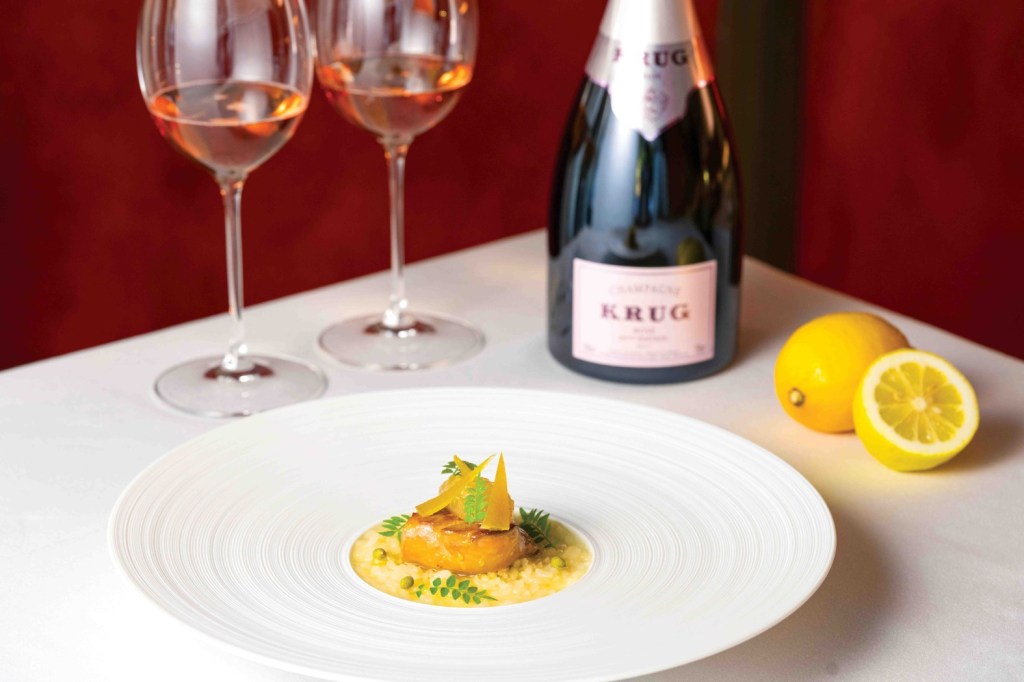
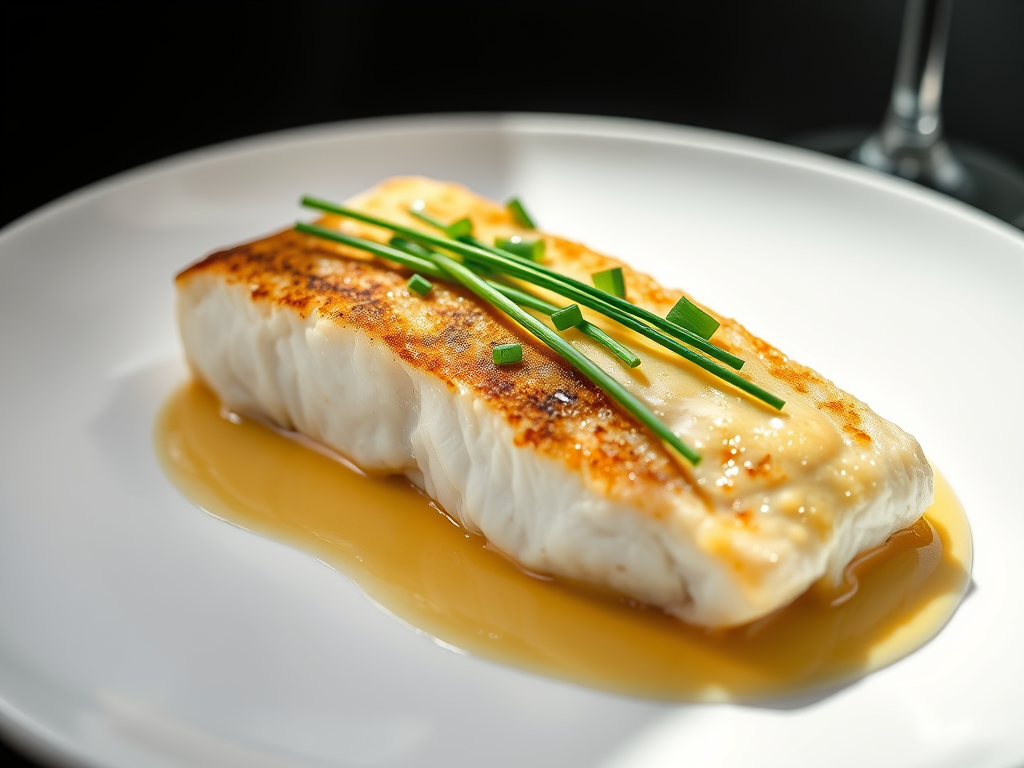
Gastronomic: ▪ Cod in beurre blanc sauce with chives ▪ Ricotta stuffed pasta with zucchini flowers
Simple pleasure: ▪ Freshly shucked Rock oysters ▪ Roasted eggplant with tahini
Erstklassige Champagner reifen mit viel Geduld zu neuen Dimensionen der Ausdruckskraft. Durch eine zusätzliche Reifezeit auf der Hefe, unter Ausschluss von Licht entwickelt der Champagner neue Aromen
Nach der Schaumbildung (> siehe Champagnerherstellung) werden die Flaschen in die Keller gebracht, wo sie in Dunkelheit und Stille eine lange Periode der Reifung beginnen. Dies ist die Zeit der sogenannten Reifung auf der Hefe. Die Hefen bestehen aus Hefekulturen, die sich in der Flasche vermehrt haben.
Nach der Schaumbildung sterben die Hefen durch Autolyse, also durch Selbstzerstörung, nach und nach ab. Dabei löst sich ihr Zellinhalt auf und es werden Moleküle freigesetzt, die mit denen des Weines interagieren und sich langsam verändern. Gleichzeitig gelangt durch den Verschluss eine winzige Sauerstoffmenge in die Flasche, während ein wenig Kohlensäure die Flasche verlässt. Dieses Phänomen führt zu einer langsamen Oxidation des Weins und damit zu einer Entwicklung seiner Eigenschaften.
Die Reifung auf der Hefe vereint also diese beiden Aktionen, die Autolyse der Hefen einerseits und die langsame Oxidation andererseits, die beide den Stil des Weins weiter prägen werden, um ihm die sogenannten tertiären Aromen von Reife und Fülle zu verleihen. Damit dies geschieht, ist der Keller an sich von grosser Bedeutung: In ihm müssen konstante Dunkelheit und eine gleichbleibende Temperatur um 12 °C herrschen, damit die Reifungsbedingungen optimal sind.
Eine Besonderheit der Reifung auf der Hefe ist, dass sie in den meisten Fällen rein reduktiv geschieht, also ohne Oxidationsprozess durch Sauerstoff. Dies wird dadurch erreicht, dass die Flaschen während des Hefelagers durch einen Kronkorken luftdicht verschlossen sind. Der gleiche Champagner, der zehn Jahre auf der Hefe reifte, weist ein frischeres Geschmacksprofil auf als sein Pendant, das man zehn Jahre nach dem Degorgieren (mit dem definitiven Zapfen aus Kork) hat reifen lassen. Das liegt nicht nur daran, dass der Korkzapfen durch seine Mikroporen für eine sehr geringe Sauerstoffzufuhr sorgt, sondern vor allem auch am oxidativen Schock, den der Champagner beim Degorgieren erlebt. Entfernt man den provisorischen Korken, wird der zart schlummernde Champagner jäh aus seinem reduktiven Schlaf gerissen und muss plötzlich eine Unmenge an Sauerstoff verarbeiten. Auch wenn der Champagner nur wenige Minuten nach dem Degorgieren wieder mit dem definitiven Zapfen verschlossen wird, hat dieses Ereignis sein Leben für immer verändert.
Es kommt übrigens auch vor, dass man für das Hefelager einen provisorischen Zapfen aus Kork verwendet. Man spricht dann von tirage sous liège (Lagerung auf Kork), wodurch es bereits während des Hefelagers zu einem minimen Sauerstoffaustausch kommt.
Die Mindestzeit, die ein Champagner auf der Hefe liegen muss, beträgt 12 Monate. Gegen oben ist die Grenze offen. In den Kellern mancher Champagnerhäusern lagern gewisse undegorgierte Flaschen mehr als 20 Jahre.
Meister der geschmacklichen Perfektionierung der Champagner durch sehr lange Reifezeit auf dem Hefelager ist unbestritten Maison Dom Pérignon.
Dom Pérignon Plénitude 2: Meisterstück der Reifung von Champagner
Von jedem Jahrgang Dom Pérignon wird eine limitierte Anzahl von Flaschen für eine längere Kellerreifung reserviert, wodurch sich die Aktivität im Flascheninneren erhöht: Die Hefe reichert den Wein mit Energie an und belebt ihn damit.
In der an berühmten Namen nicht gerade armen Champagne überstrahlt dieser Name alle anderen: Dom Pérignon. Image, Preis und Tradition des heute zum LVMH-Konzern gehörenden Champagner-Hauses sind der Massstab der edlen Branche. Der Ursprung geht zurück auf den Benediktinermönch Pierre Pérignon (1638 bis 1715), der als Kellermeister in der Abtei von Hautvillers arbeitete und entscheidend zur Erfindung der Flaschengärung beitrug sowie das Verschneiden verschiedener Traubensorten einführte. Und ganz nebenbei ist er auch verantwortlich für das weitverbreitete Flaschenvolumen von 0,75 Liter, das er als durchschnittliche Verzehrmenge männlicher Erwachsener beim Abendessen festgestellt hatte.
Dom Pérignon ist immer ein Jahrgangs-Champagner, wird also ausschliesslich aus Trauben eines einzigen Jahrgangs hergestellt. Die Reben befinden sich mit Ausnahme der legendären Parzelle in der Abtei in Hautvillers auf Grand-Cru-Lagen. 2022 kam der Jahrgang 2012 auf den Markt. Als wäre das nicht schon Exzellenz genug: Von jedem Jahrgang wird eine limitierte Anzahl von Flaschen für eine längere Kellerreifung reserviert, wodurch sich die Aktivität im Flascheninneren erhöht: Die Hefe reichert den Wein mit Energie an und belebt ihn damit.
Nach rund 15 Jahren hat der Dom Pérignon ein Maximum an Energie aufgenommen und erreicht den Gipfel essenzieller, strahlender Vitalität – der Plénitude. Auf dieser Höhe entfaltet sich der Champagner in all seinen Dimensionen: Er gewinnt an Tiefe, Körper, Intensität – und nicht zuletzt an Langlebigkeit. Diese besonders lange gereiften Champagner P(lénitude)2 und werden bis zu zwanzig Jahre (bis zu 35 Jahre für Plénitude 3) lang ausgebaut und gelagert.
Dom Pérignon 2006 Plénitude 2
Der aktuelle Jahrgang des P2 ist 2006. Mit diesem Dom Pérignon Vintage 2006 Plénitude 2 lässt das Champagner-Haus das Jahr 2006 wieder aufleben.
Dieser Jahrgang offenbart sich durch ein weiches, warmes und sanftes Bouquet, das reich an subtilen Nuancen ist. Sein bemerkenswert feines aromatisches Profil weist einen blumigen und mineralischen Ton auf. Diese Komposition entfaltet sich schnell und enthüllt zarte Noten von Weinbergpfirsich, Zitronatzitrone, Calisson-Konfekt und Mokka, die ein einzigartiges und unvergessliches olfaktorisches Erlebnis schaffen. Die Fülle offenbart sich am Gaumen: Sie ist gleichzeitig verhalten und zart und entwickelt sich zu einer dichten Textur, die allmählich fester wird. Die Komplexität von diesem Wein nimmt zu und lässt eine subtile salzige Nuance durchscheinen. Im Abgang übernehmen eine exquisite Bitterkeit und eine herrliche Reife die Führung, natürliche Aromen von getrockneten Früchten, Kakao und gerösteten Haselnüssen bereichern die Erfahrungen, die harmonisch zu einem außergewöhnlichen Geschmackserlebnis verschmelzen.
Critics Ratings
Dom Pérignon 2006 Plénitude 2
Weather: With similar weather characteristics as the now-legendary 2002, the 2006 vintage was overall very hot and dry. Vines grew in fits and starts with a heatwave during July succeeded by a cool and humid August. The ultimate factor was the summery September weather, which assisted the grapes in developing much more maturity than usual. As a result, the harvest was the longest on record: four weeks beginning on 11th September.
Technical Information: Vineyards: 100% Grand & Premier Cru Grape Varieties: 55% Pinot Noir, 45% Chardonnay Lees Ageing: 16 years Disgorged: September 2021 Dosage: 4.5 g/l Alcohol: 12.5% Drink: Now to 2038
Tasting Note: The 2006 Dom Pérignon P2 is magnificent. Rich and soaring in its intensity, the P2 is absolutely stunning. What comes through most is the style of the year more than the style of the P2 series. Tangerine, apricot, mint, white pepper, passionfruit and spice all race out of the glass. The ripeness of the year is evident, but all the elements are so masterfully balanced. The balance of exoticness and freshness is just mind-blowing. Tasted by Antonio Galloni
Dom Pérignon 2004 Plénitude 2
Weather: In contrast with the previous year, vine growth was regular and progressed without incident, producing bunches of a significant number and size. Whilst the weather remained moderate for some time, with the month of August particularly cool, the vintage was defined by the dry heat of the final few weeks before harvest. Nuanced and precise, Dom Pérignon 2004 is a natural sum of perfectly consistent parts.
Technical Information: Vineyards: 100% Grand & Premier Cru Grape Varieties: 62% Pinot Noir, 38% Chardonnay Lees Ageing: 16 years Disgorged: September 2021 Dosage: 5 g/l Alcohol: 12.5% Drink: Now to 2038
Tasting Note Dom Pérignon 2004 Plénitude 2: Wafting from the glass with aromas of sweet orchard fruit, fresh peach, pastry cream, buttered toast and cotton candy that display a less reductive profile than the original disgorgement. Medium to full-bodied, pillowy and charming, with an ample, enveloping core of fruit, succulent acids and a pretty pinpoint mousse, it concludes with a long, sapid finish. Tasted by William Kelley
Dom Pérignon 2003 P2 – The Champagne and The Plénitudes Dom Pérignon choose the best grapes from any of the 17 Grands Crus, including the legendary Premier Cru, Hautvillers and it is released in three different maturation time periods called Plénitudes. The first Plénitude is the Dom Perignon we all know and love released after 8-9 lees ageing. The second Plénitude, released after 15 to 20 years lees ageing, Dom Pérignon P2 is the Plénitude that shows “energy” it is broader, more fruit intense and has freshness and vitality which you didn’t see on its first release. P3 is released after considerable more lees ageing and in very small quantities.
Richard Geoffroy – Dom Pérignon’s Now Retired Chef de Cave At the time the Dom Perignon P2 2003 was created the now retired chef de cave Richard Geoffroy was in charge and Richard always hailed 2003 as his “favourite” vintage, more because of the challenge of making a great champagne in a year where the extremely hot weather was making it near impossible.
Jancis Robinson MW – 18/20 “The notoriously daring vintage of Dom Pérignon at 18 years old in recently disgorged form. Rich, broad nose, with notes of candied mandarin – not instantly recognizable as Dom P on the nose. Toasty palate entry and still quite rich on the palate, thanks to lower than usual acidity presumably. Again, there was no fear of phenolics when making this wine as the logic was that the phenolics would make up for the softness of the acidity. This is now a gentle wine with very much its own personality. Soft and smoky at the start and then saline and refreshing on the finish. It’s more like a bit of told-you-so evidence than necessarily, the one Dom P you would choose from the current range available. But, boy, does it persist!” Drink 2021 – 2027
Essi Avellan MW – 96-97/100 “Every Dom Pérignon vintage is built to eventually become a Plénitude 2 and Plénitude 3 and so is the 2003! It was such a challenging and unprecedentedly hot year. Yet there is nothing heavy in Dom Pérignon of the year. The nose is stunningly toasty with sweet, vanilla laden fruit, hay, juniper, cookie dough and cream. On the palate it is exuberant, round and textured with a notion of firming phenolics of a hot year on the back palate. The time on lees seems to have created some extra roundness and delicious sweetness to the fruit. Finely bubbling energetic palate finishing on a pure mineral freshness.”

 Wein verstehen & geniessen